
Full Service Versus Drop Off Catering Explained

A beautifully prepared menu can set the tone for a gathering, but food alone does not determine how an event feels. When weighing full service versus drop off catering, the real question is who will manage the moments around the meal: the setup, timing, replenishment, guest requests, clearing, and final reset. The right answer depends less on formality alone and more on the experience you want to create for your guests and for yourself as the host.
For an estate dinner, wedding reception, corporate gathering, or memorial reception, service is often the element that allows the host to be present rather than occupied. For a polished office luncheon or an intimate gathering with a capable host team, premium drop-off catering may offer precisely the right balance of quality and ease.
What Full-Service Catering Includes
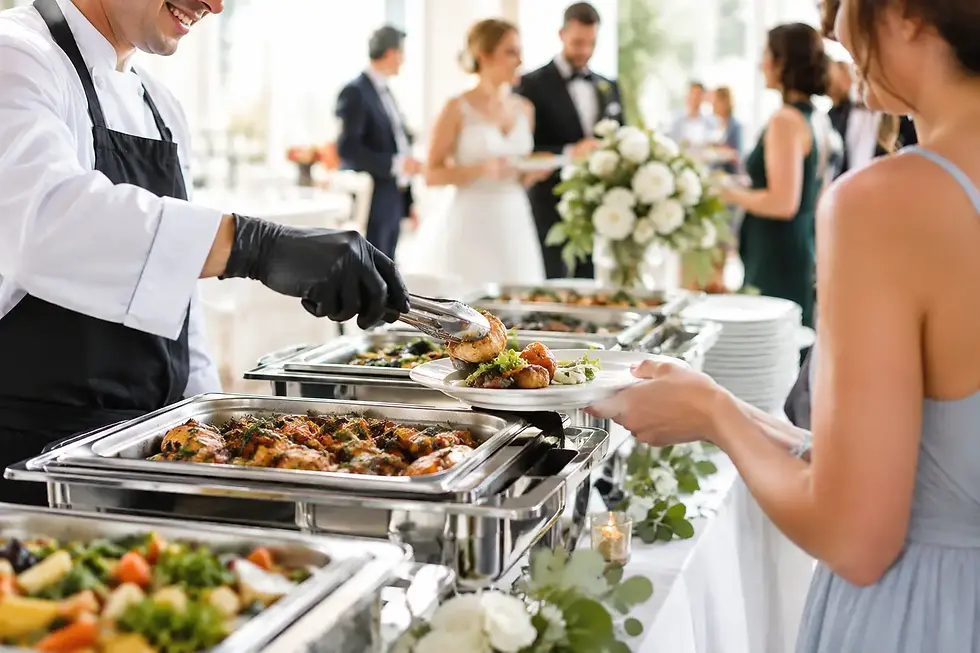
Full-service catering is an event-managed dining experience. The caterer coordinates culinary production, delivery, setup, staffing, service style, and breakdown according to the event plan. Depending on the occasion, this may include passed hors d'oeuvres, a curated buffet, plated courses, bartending coordination, tableside service, rentals, décor coordination, and on-site culinary finishing.
The distinction is not simply that servers are present. It is that someone experienced is responsible for the guest-facing details that keep the event moving with composure. Staff welcome the next course at the appropriate moment, replenish a buffet before it appears depleted, clear glassware and plates quietly, and adapt when a toast runs long or guests arrive later than expected.
For Chef Deanna Corso, whose nearly two decades at The Boca Raton shaped her resort-level approach to event dining, service and cuisine are inseparable. A composed plate, a properly paced entrée, and a well-tended buffet all require coordination behind the scenes. That fine-dining precision is particularly valuable when the food is central to the occasion.
When full service is usually the better choice
Full service is especially well suited to weddings, milestone celebrations, formal dinners, waterfront events, and parties where the host wants to circulate freely. It is also worth considering when a venue has limited kitchen access, a challenging load-in, strict timing requirements, or a guest count large enough that self-management would distract from the gathering.
It can be the right choice for a smaller event, too. A 20-person seated dinner may benefit more from attentive staffing than a larger but casual luncheon. At an intimate private dinner, the value is often found in the pacing: cocktails are refreshed, courses arrive at the intended temperature, and the kitchen is restored without asking the host to step away from the table.
Full service carries a higher investment because it accounts for trained staff, on-site chefs or culinary support when needed, equipment, transportation, setup time, and event oversight. For hosts who place a premium on hospitality and a worry-free experience, that investment often protects the quality of the evening.
What Premium Drop-Off Catering Includes
Drop-off catering is not synonymous with ordinary delivery. At its best, it is a thoughtfully prepared meal delivered ready to serve, with clear presentation, appropriate serving pieces or disposable serviceware when requested, and instructions for holding or reheating if needed. The food arrives with the same chef-led attention to ingredients, flavor, and visual appeal, but the host, venue team, or planner takes responsibility for service once it is delivered.
This format is ideal when the event has a clear serving window and does not require ongoing culinary management. A business lunch in a conference room, a shower hosted at home, a family gathering with a buffet table already arranged, or a casual open-house celebration can all work beautifully with premium drop-off service.
The strongest drop-off menus are designed for the format. Foods should travel well, hold their quality, and be easy for guests to serve. A composed seasonal salad, carefully arranged sandwich or crudité platters, hearty luncheon entrées, and desserts portioned for easy sharing tend to perform well. Highly timed courses, delicate fried items, or dishes that depend on last-minute plating may be better reserved for staffed service.
What the host should plan to handle
With drop-off catering, someone needs to receive the order, confirm the serving area is ready, place food out at the appropriate time, monitor replenishment, and manage cleanup afterward. That does not mean the host must do every task personally. A family member, office administrator, venue contact, or event planner can take the lead.
Before selecting this format, confirm whether your location has adequate counter space, access to refrigeration or an oven if necessary, and enough room for guests to move through the buffet. In Palm Beach and Broward County homes, outdoor entertaining adds another consideration: food needs protection from direct sun, wind, and warm temperatures. A shaded serving area and an intentional plan for timing make a meaningful difference.
Full Service Versus Drop Off Catering: The Practical Difference
Both formats can provide exceptional food. The meaningful difference is the degree of operational support surrounding it.
With full service, the catering team owns the flow of the meal. With drop-off catering, the client receives a polished food presentation and manages the flow independently. Neither is inherently better. A formal plated dinner without professional service can feel strained, while a simple working lunch with a full staff may be more elaborate than the occasion requires.
A helpful way to decide is to consider four practical questions:
Will you be comfortable stepping away from guests to manage food, timing, and cleanup?
Does the menu need to be served in courses, maintained at a precise temperature, or presented live?
Is the venue equipped for the chosen format, including prep space, power, parking, and waste removal?
Would an unexpected delay, dietary request, or change in guest count be easy for your team to handle?
If several answers point to complexity, full service is likely the wiser choice. If the event is relaxed, the menu is designed for buffet-style serving, and a reliable person can oversee the setup, drop-off may be a refined and efficient solution.
How Guest Experience Changes With Each Option
Guests rarely analyze service logistics, but they notice the result. At a full-service event, the experience tends to feel composed and intentional. Drinks are offered without prompting, tables remain uncluttered, and guests can focus on conversation rather than locating utensils or wondering when food will be replenished.
At a drop-off event, the atmosphere often feels more informal and flexible. Guests serve themselves, return for another bite, and move at their own pace. This can be exactly right for a daytime corporate luncheon, a family-style holiday gathering, or a casual celebration where connection matters more than ceremony.
The menu should support that guest experience. A plated anniversary dinner calls for a different culinary structure than a buffet for a baby shower. Rather than starting with a service format, begin with the feeling you want guests to have when they arrive, dine, and depart. The appropriate level of support becomes clearer from there.
Plan the Budget Around More Than Food
Comparing proposals solely by price per person can obscure the difference between these formats. A full-service estimate may include labor, rentals, service equipment, chef attendance, staffing hours, and breakdown. A drop-off proposal may focus primarily on food, delivery, and selected disposables or serving pieces.
Ask each prospective caterer to clarify what is included and what remains your responsibility. Consider setup, chafing equipment, beverage service, rentals, staffing, gratuity, taxes, and post-event cleanup. Clear expectations prevent the common frustration of realizing, shortly before guests arrive, that no one has planned for ice, trash, serving utensils, or a place for used plates.
For larger celebrations, a wedding or event planner can be especially helpful in coordinating these moving parts. Simply Foods works alongside planners and can recommend one when additional planning support would benefit the event.
The most appropriate choice is the one that gives your guests a thoughtful culinary experience while allowing you to host with confidence. If you are planning an event in Palm Beach or Broward County and would like guidance on the service level, menu structure, or venue logistics that fit your occasion, contact Simply Foods for a considered conversation.


Comments