
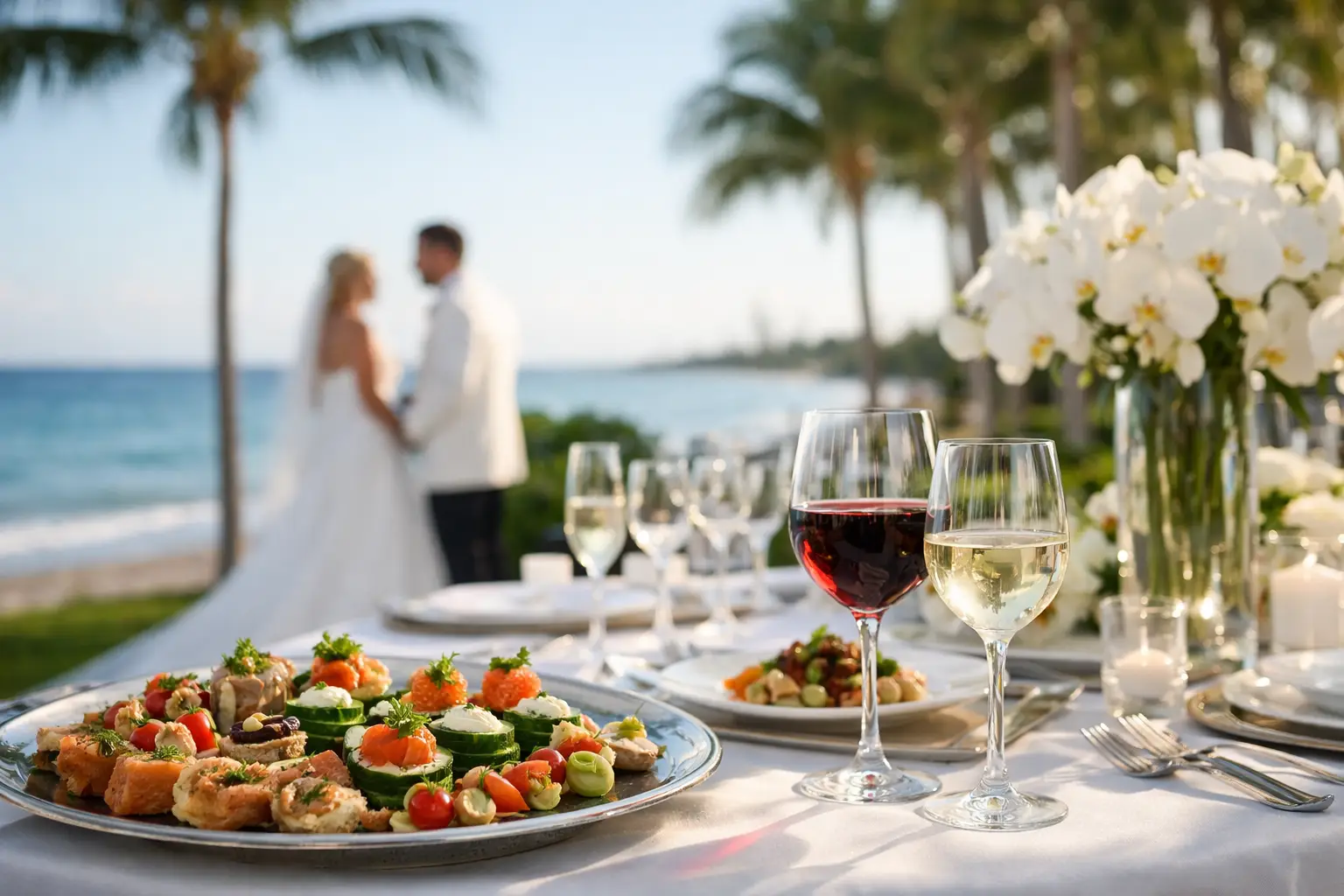
A kosher event is remembered not only for what is served, but for the confidence guests feel when every detail has been handled correctly. Palm Beach kosher catering calls for careful coordination between culinary vision, religious observance, venue rules, and polished hospitality. For a wedding, estate dinner, corporate luncheon, or memorial reception, those elements should be planned together from the first conversation rather than addressed after the menu is set.
The most successful gatherings do not treat kosher service as a limitation. They use clear planning to create a generous, refined guest experience that feels appropriate to the occasion and welcoming to everyone at the table.
Palm Beach Kosher Catering Starts With Clear Standards
“Kosher” is often used broadly, but it can mean different things to different hosts and guests. Some families require food prepared under recognized rabbinical supervision. Others may need a fully kosher kitchen, sealed meals from an approved provider, or a particular standard of certification. A menu described as kosher-style is not the same as certified kosher catering, and that distinction matters.
Before discussing passed hors d’oeuvres or plated entrées, ask what level of observance the event requires. Confirm who will approve the certification, whether a mashgiach is required on site, and whether any guest has additional needs related to Passover, gluten, allergies, or vegetarian dining. These answers shape the service plan, purchasing, staffing, and kitchen logistics.
A qualified kosher caterer should be able to explain its certification and handling procedures plainly. If the event is taking place at a private home, club, hotel, or waterfront venue, clarify how food will arrive, where it will be held, and how it will be served without compromising those standards. Vague assurances are not enough for an occasion that carries religious and personal significance.
Choose the Right Service Format for the Occasion
The right format depends on the guest count, venue, formality, and how much interaction you want guests to have with the food. A seated dinner can feel composed and celebratory for a wedding or milestone event, while a chef-attended station format may better suit a cocktail reception with movement between indoor and outdoor spaces.
For an intimate private dinner, a multi-course meal provides a graceful rhythm. Guests can settle in, enjoy each course at its intended temperature, and give the host more time at the table. This format requires precise staffing and a realistic service timeline, particularly in homes with a small kitchen or limited staging space.
For a larger reception, curated buffets and stations can offer variety without making the evening feel overly formal. The key is avoiding a buffet that becomes a crowded line. Multiple access points, thoughtful placement, clear dish identification, and staff available to guide guests all make a meaningful difference. At a Palm Beach estate or waterfront setting, the layout should also account for wind, heat, lighting, and the distance between the kitchen area and the dining space.
Premium drop-off catering can be an excellent choice for a luncheon, shiva gathering, or smaller hosted occasion when full staffing is not necessary. It works best when the host has a practical place for setup and knows what service pieces, warming equipment, and disposal will be needed. It is convenient, but it does not solve every operational need. For a formal event with a strict timeline, tableside service and on-site coordination may be the better investment.
Build a Menu With Intention, Not Just Variety
A refined kosher menu should feel considered from the first bite through dessert. That does not require making every course elaborate. It means selecting dishes that travel and hold well, suit the setting, and create enough contrast in flavor, color, and texture to keep the meal engaging.
Start with the event’s tone. A daytime bridal shower may call for bright seasonal salads, elegant composed sandwiches, fresh fruit, and polished dessert service. An evening celebration may be better served by passed appetizers, a substantial entrée, composed sides, and a dessert display that encourages guests to linger. For a corporate luncheon, choose dishes that are satisfying without being heavy and easy to enjoy within a defined schedule.
Menu development should also respect the practical realities of kosher dining. Meat and dairy restrictions influence every course, including sauces, breads, desserts, and coffee service. If dessert is part of a meat meal, plan it thoughtfully rather than treating it as an afterthought. A well-designed parve dessert can feel as celebratory as any other finish when it is approached with culinary care.
Chef Deanna Corso’s nearly two decades at The Boca Raton inform the kind of event discipline that matters here: a beautiful menu must perform under real service conditions. The most appealing entrée on paper is not always the strongest choice for a tented reception, a long outdoor walk to the dining area, or a program with speeches that may delay dinner. Timing, temperature, and presentation are part of the recipe.
Confirm Venue Logistics Before Finalizing the Plan
Palm Beach venues can be exceptional settings for entertaining, but they often come with details that should be resolved early. Private homes may have limited refrigeration, restricted kitchen access, or a narrow route for loading. Clubs and event spaces may have approved-vendor policies, service restrictions, or separate rules for alcohol. Outdoor venues may require contingency plans for weather and power.
For certified kosher service, venue coordination is especially important. Ask whether the venue permits the necessary food handling procedures, designated preparation areas, and supervision. If the caterer will bring in equipment, confirm access times and where that equipment can be staged. It is far easier to protect a kosher program when the full event team understands the plan before arrival.
A productive planning conversation should cover four practical points:
- The guest count, including children, vendors, and dietary needs
- The venue’s available kitchen, refrigeration, power, and loading access
- The event schedule, from guest arrival through dessert and breakdown
- The service style, rentals, bar plan, linens, florals, and table configuration
These details may seem operational, but they directly affect how relaxed the event feels. A well-paced dinner service is the visible result of sound planning behind the scenes.
Give Guests Clear, Respectful Guidance
Hosts often worry about making dietary information feel overly formal. In practice, clarity is a courtesy. Menu cards at stations, discreet place cards for plated selections, and staff who can answer basic ingredient questions help guests make comfortable choices without drawing attention to anyone’s needs.
If the event includes attendees with varying levels of observance, communicate the kosher standards accurately in the invitation or event information when appropriate. Do not overpromise. If food is certified under a particular authority, identify it correctly. If some items are sealed or supplied separately, make that clear to the people who need to know.
This is equally relevant for alcohol and coffee service. Determine whether wine, spirits, mixers, and specialty beverages must meet specific requirements. A bar can be beautiful and thoughtfully designed while still adhering to the standards established for the event. The objective is not to make guests navigate the rules. It is to make the experience feel effortless because the host has already anticipated them.
Plan Early for Meaningful Dates
Many kosher events are tied to dates that carry personal, religious, or family importance. Weddings, bar and bat mitzvah celebrations, holiday gatherings, and memorial receptions may have timing requirements that narrow the planning window. Booking early gives the host more choices in venue availability, approved providers, rentals, and staffing.
It also allows room for the conversations that should not be rushed: certification confirmation, menu tastings when available, event flow, service expectations, and contingency planning. For a large celebration, involving the event planner, venue contact, rental company, florist, and catering team early can prevent small decisions from becoming last-minute complications. Simply Foods works closely with planners and can recommend one when an event would benefit from dedicated coordination.
For an event where kosher requirements are one part of a broader hospitality plan, contact Simply Foods to discuss the service flow, presentation, and operational details that will help your approved kosher program feel gracious, organized, and fully considered.