
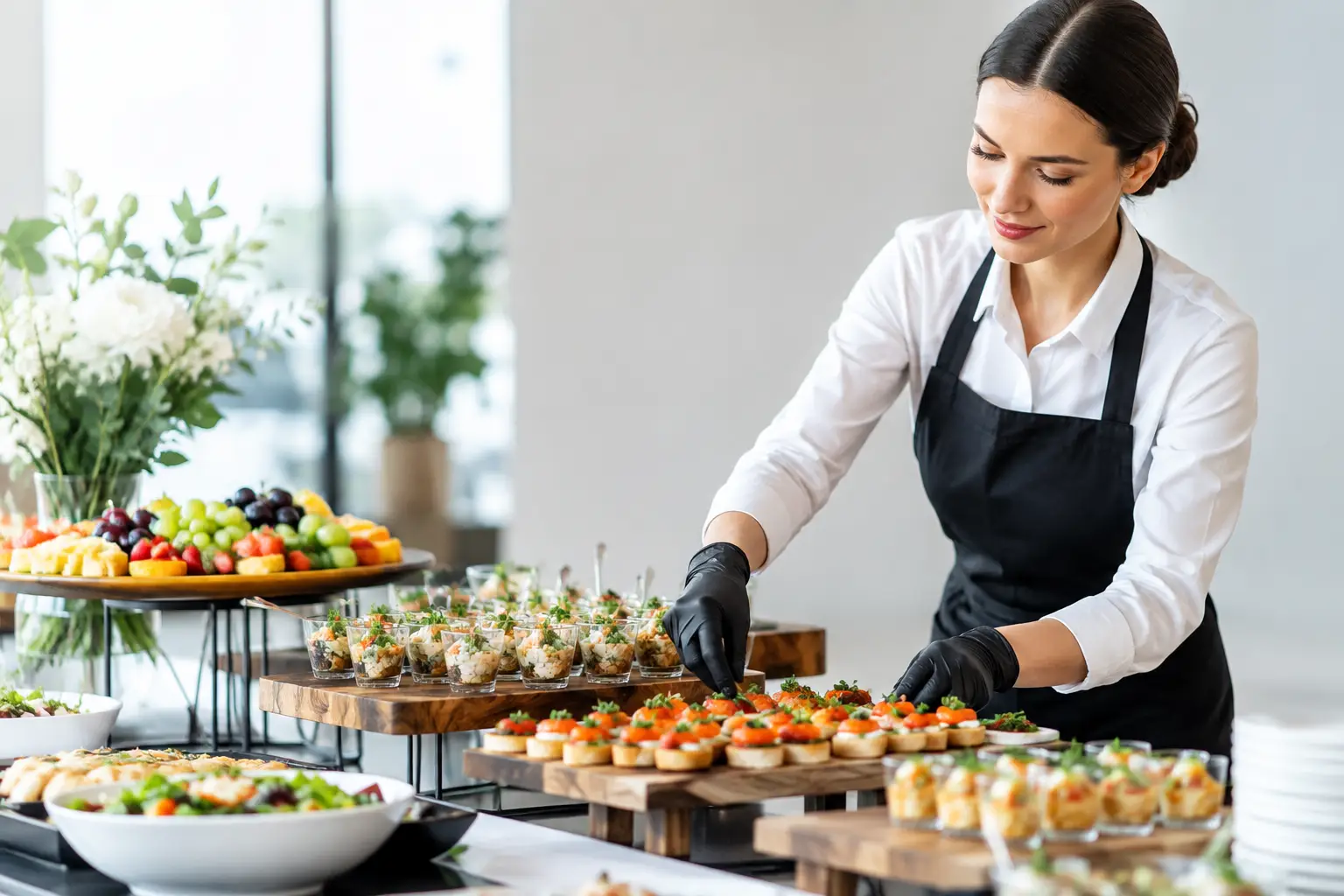
A well-hosted luncheon at a Palm Beach office or an intimate gathering at home does not always require a full team of servers. It does, however, require food that arrives on time, looks considered, holds properly, and feels worthy of the occasion. That is the distinction behind the question, what is premium drop off catering?
Premium drop-off catering is a chef-led catering format in which fully prepared food is delivered to the venue with elevated presentation, careful packaging, and clear serving guidance, but without on-site catering staff remaining throughout the event. It offers a more refined alternative to standard delivery for hosts who want restaurant-quality cuisine and thoughtful event planning without the footprint or expense of full-service catering.
For the right event, it can be an elegant, practical choice. The key is understanding what is included, what remains the host’s responsibility, and when a staffed service would better protect the guest experience.
What Premium Drop Off Catering Includes
At its best, premium drop-off catering is not simply food in disposable containers. It is a planned culinary experience designed around the event’s timing, guest count, location, and style of service. Menus are selected for flavor, presentation, and their ability to travel and hold at the proper temperature.
Food may arrive in polished disposable pans, premium platters, bowls, and serving vessels, or in equipment arranged for a curated buffet setup. The exact presentation depends on the menu and venue. A composed salad, elegant hors d’oeuvres, or a seasonal grazing display calls for a different approach than a hot luncheon buffet or family-style dinner.
A premium order commonly includes the prepared menu, delivery, placement at the agreed serving area, appropriate serving utensils, and written or verbal instructions for holding, reheating, and serving. Depending on the caterer and package, it may also include disposable plates, napkins, cutlery, chafing dishes, and fuel. Those details should be confirmed early, rather than assumed.
The defining feature is intention. The food is designed and packaged to arrive in a condition that allows the host to serve it confidently. It is not a substitute for an on-site chef and service team, but it should still reflect fine-dining precision in flavor, portioning, and presentation.
Premium Drop Off Catering vs. Standard Delivery
The difference is rarely just price. Standard delivery is generally built for convenience: food is dropped at the door, often with limited attention to setup, serving flow, or how the menu will perform over the next hour. That may be perfectly suitable for a casual meeting or a last-minute office lunch.
Premium drop-off catering involves more consultation before the event. The caterer considers the arrival time, whether there is refrigeration or oven access, the buffet surface available, the guest demographic, dietary needs, and the length of the serving window. The goal is to prevent common problems such as wilted salads, lukewarm entrees, too few serving utensils, or a buffet that feels disorganized within minutes of guests arriving.
For example, an executive luncheon may call for individually composed meals or an orderly buffet that can be served efficiently between meetings. A birthday dinner at a waterfront home may benefit from passed-style platters, chef-prepared mains that hold beautifully, and desserts arranged for guests to help themselves. Both can work as drop-off events, but neither should be planned like a routine takeout order.
What It Does Not Include
Premium drop-off catering does not usually include servers to greet guests, replenish stations, clear plates, pour beverages, manage courses, or wash rental items. It also does not automatically include tables, linens, china, glassware, florals, bar service, or staffing for a formal buffet.
This is where hosts should be candid about the event. If guests will expect passed hors d’oeuvres, a plated dinner, active beverage service, or a constantly refreshed display, full-service catering is generally the better fit. A beautiful menu cannot compensate for an event format that requires hands-on hospitality.
When Drop-Off Is the Right Choice
Premium drop-off service works particularly well when the event has a defined serving period and a capable host, venue coordinator, or family member can oversee the food once delivered. It is often a strong choice for boardroom lunches, showers, relaxed holiday gatherings, memorial receptions, open-house events, and intimate celebrations where guests are comfortable serving themselves.
It can also be useful for events where privacy matters. Some hosts prefer to enjoy a family occasion without additional staff moving through the home. Others have a smaller guest count but still want food that feels special. In these settings, a carefully chosen menu can create an elevated experience while keeping the atmosphere personal and understated.
That said, drop-off catering is not automatically the simplest choice. A venue with difficult access, no suitable buffet surface, limited parking, or no temperature control may create more work for the host. Estate events and waterfront properties can be especially dependent on delivery logistics. A thoughtful caterer will ask about stairs, gates, elevators, kitchen access, arrival windows, and where the food will be placed before finalizing the plan.
How to Plan a Successful Premium Drop-Off Event
The most successful drop-off events are planned from the guest experience backward. Start with when guests will actually eat, not simply when the event begins. If guests arrive at 6:00 p.m. but cocktails last an hour, hot food should not be delivered at 5:30 p.m. unless there is a reliable way to hold it safely and attractively.
Share a realistic guest count and identify children, dietary restrictions, and guests who may need vegetarian, gluten-conscious, or other accommodations. It is also helpful to explain the occasion. A corporate client entertaining prospective partners may need a more polished menu and individual labeling than a casual family brunch.
Before delivery day, confirm five practical items:
- The delivery contact and a phone number that will be answered during the arrival window
- The exact location for food placement, including table size and access instructions
- Whether the venue provides refrigeration, ovens, electrical outlets, or warming equipment
- Who will light chafing fuel, replenish utensils, and manage leftovers after the event
- Whether plates, flatware, beverage service, and trash removal are needed
These details may feel operational, but they shape the event as much as the menu does. Chef Deanna Corso’s nearly two decades at The Boca Raton inform this kind of advance planning: refined service is often the result of quiet preparation before the first guest arrives.
Choose Foods That Travel Well
Not every restaurant-style dish is ideal for drop-off service. Crispy foods can lose their texture, delicate sauces can separate, and some plated presentations need immediate finishing. A knowledgeable caterer will steer the menu toward dishes that remain appealing through the anticipated serving period.
This does not mean compromising on sophistication. Braised meats, roasted seasonal vegetables, thoughtfully composed salads, substantial seafood preparations, grain dishes, artisan sandwiches, and well-designed desserts can all perform beautifully when handled correctly. The question is not whether a dish is luxurious. It is whether it is suited to the event’s timeline.
For a longer gathering, consider serving in phases. Begin with a grazing display or chilled appetizers, then bring out hot dishes closer to the meal. If no staff will be present, the transition needs to be simple enough for the host or designated helper to manage without leaving guests behind.
Questions to Ask Before You Order
A premium caterer should be able to explain how each menu component will arrive, how long it can sit, and what needs to happen before serving. Ask whether food will be hot, chilled, or ready for reheating; whether serving pieces are included; and how leftovers should be stored.
Also ask for a clear delivery window rather than a vague promise. For an important occasion, a 30-minute arrival range is easier to plan around than an open-ended estimate. If the event takes place at a venue, confirm its delivery rules directly. Some properties require advance vendor registration, specific loading areas, certificates of insurance, or restricted setup times.
Finally, consider the visual standard you want guests to encounter. If the answer is a layered, styled buffet with rentals, signage, florals, and attentive replenishment, ask about adding staff or moving to a curated full-service format. If the answer is generous, beautifully prepared food arranged with care for self-service, premium drop-off may be exactly right.
For hosts who want chef-led cuisine without an on-site service team, the format offers a considered middle ground: less formal than a staffed event, yet far more intentional than ordinary delivery. If you are planning an elevated gathering in Palm Beach or Broward County, Simply Foods can help you determine whether premium drop-off service fits the menu, venue, and level of hospitality you want your guests to experience.