
When an On Site Chef Catering Service Fits

A beautiful menu can lose its impact in the final 20 minutes before service. A sauce tightens, a crisp garnish softens, or a perfectly cooked protein waits too long for the room to be ready. An on site chef catering service is designed to protect those details, bringing the kitchen's timing and judgment directly to the event rather than relying solely on food prepared hours earlier.
For a Palm Beach estate dinner, a waterfront wedding, or an executive luncheon, that distinction can shape the entire guest experience. It is not simply about having a chef present. It is about coordinating culinary preparation, service pacing, venue logistics, and presentation so the food arrives at the table as it was intended.
What an On Site Chef Catering Service Changes
The clearest advantage of chef-led, on-site preparation is control. A culinary team can finish a beurre blanc just before it is served, carve a roast at its ideal resting point, and adjust the timing of a plated course when toasts run long. These are small decisions, but they are often what separates a catered meal from a restaurant-quality dining experience.
This format also supports a more expressive menu. Delicate seafood, crisp-skinned poultry, composed salads, and warm desserts are all more successful when final preparation happens close to the moment of service. For hosts who value refined presentation, the kitchen team can also inspect each plate as it leaves the pass rather than sending a finished meal from an off-site production kitchen.
There is an operational benefit as well. Events rarely unfold exactly as scheduled. Guests may arrive slowly from a ceremony, a client meeting may extend, or a sudden shower may move a cocktail hour indoors. An on-site culinary team can respond thoughtfully, holding courses when appropriate and keeping the experience calm for guests.
That flexibility has limits. Cooking on site does not eliminate the need for an organized plan. It requires adequate workspace, reliable power, clear load-in access, and realistic service timing. The best results come when culinary ambition is matched to the venue's actual conditions.
When This Service Is Worth the Investment
An on-site chef format is especially well suited to gatherings where the meal is a central part of the occasion. A multi-course private dinner, wedding reception, milestone birthday, and formal corporate event all benefit from precise pacing and food finished to order. It can also elevate an intimate gathering where the host wants to spend the evening with guests rather than managing warming trays, replenishment, and cleanup.
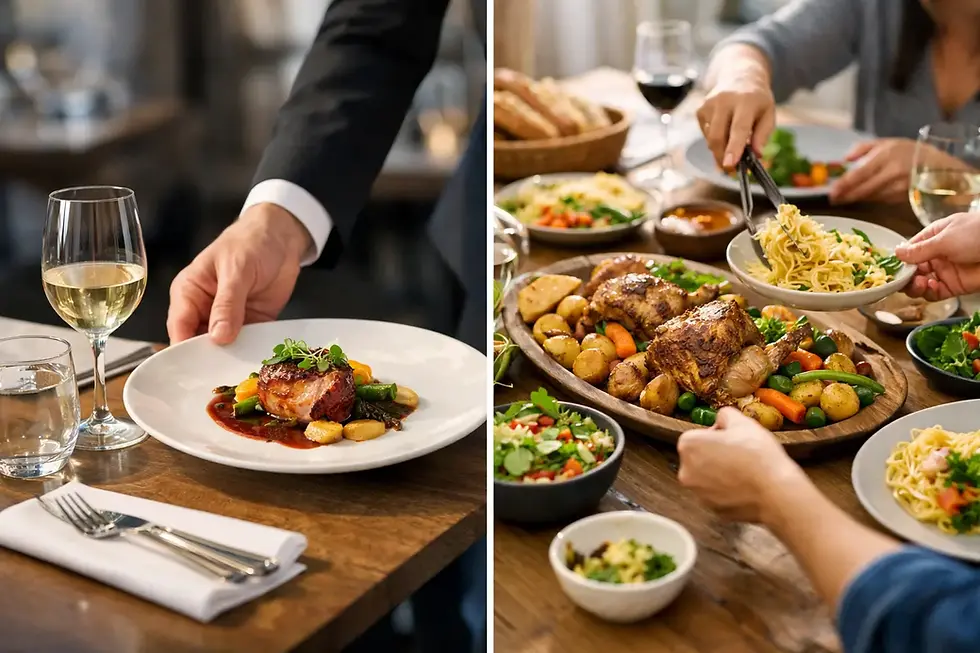
For larger celebrations, the decision depends on the menu and service style. A chef-attended station or curated buffet can create energy while allowing guests more flexibility than a plated dinner. A fully plated service offers a more formal rhythm and gives hosts greater control over timing, but it requires more staffing, rentals, and coordination. Neither approach is inherently better. The right choice follows the guest count, venue, occasion, and the kind of evening you want people to remember.
Premium drop-off catering may be the more sensible option for a casual office lunch, an open-house gathering, or a smaller event with limited kitchen access. Well-designed drop-off menus can still feel polished and generous. The trade-off is that they do not offer the same last-minute finishing, course pacing, or staffed hospitality as a full-service chef team.
Start With the Event Flow, Not Just the Menu
Clients often begin by asking what should be served. That is an important conversation, but an experienced caterer first needs to understand how the event will move. When do guests arrive? Will there be a ceremony, speeches, or a presentation? Is dining indoors, outdoors, or split between both? How long should guests have for cocktails before dinner begins?
These answers determine whether passed hors d'oeuvres, stations, a buffet, or a seated meal will serve the occasion best. They also influence the menu itself. A sunset cocktail hour on a terrace calls for selections that remain elegant in warm weather and are easy to enjoy while standing. A seated estate dinner may allow for a more composed first course and a richer entrée. A corporate luncheon often benefits from a brisker service style that respects the program and allows guests to return to business on time.
Chef Deanna Corso's nearly two decades at The Boca Raton informs this practical approach. Resort-level service depends on anticipating the points where timing can shift, then building a plan that protects the guest experience without drawing attention to the adjustment.
Assess the Venue Like a Working Kitchen
A private home or distinctive venue can be an extraordinary setting, but it should be evaluated early. The questions are straightforward: Where can the culinary team load in? Is there a clean, sheltered area for final preparation? What appliances, refrigeration, water access, and electrical capacity are available? How far is the kitchen from the dining area?
Outdoor events require additional consideration. Florida heat, wind, rain plans, lighting, and flooring affect both food quality and safe service. A waterfront location may be visually exceptional while presenting limited vehicle access or a long path from the prep area to the tables. Those details influence staffing and equipment needs, which is why a venue walk-through is often more valuable than an early menu promise.
Do not assume a home kitchen will support every course of a formal dinner. A skilled caterer can bring induction equipment, mobile prep tables, hot holding, and other professional tools when appropriate. Still, a menu should be designed around the available setup rather than forcing a complicated preparation into a constrained space.
Build a Menu That Holds Its Standard
A thoughtful menu balances elegance with practicality. It considers seasonality, dietary needs, the service style, and how each dish performs from kitchen to guest. The strongest menus do not rely on a long list of extravagant ingredients. They use quality ingredients with purpose, thoughtful contrasts of temperature and texture, and a presentation that belongs to the setting.
For example, a formal plated dinner might begin with a composed seasonal salad, continue with a fish or poultry entrée that can be finished consistently for every guest, and end with a dessert that provides a clean final note. At a social event, chef-attended stations may create more conversation and permit guests to choose their own pace. For a memorial reception, the menu often calls for warmth, simplicity, and discreet service rather than theatrical presentation.
Dietary accommodations should be addressed when the guest list begins to take shape, not in the final days before the event. Vegetarian, vegan, gluten-sensitive, and allergy-conscious guests deserve a dish that feels intentionally designed, not an afterthought. Clear guest information allows the chef and service team to plan appropriate preparation and presentation.
Clarify What Full Service Includes
When comparing proposals, look beyond the menu price. Full-service execution may include culinary staff, servers, bartenders, rentals coordination, china and glassware, linens, setup, breakdown, and post-event cleanup. Each event has different needs, so a precise proposal should make the scope easy to understand.
Bar service deserves the same attention as food service. Consider whether the occasion calls for a hosted bar, wine paired with dinner, a signature cocktail, or a concise selection of beer and wine. Ice, glassware, permits where applicable, bartender staffing, and the physical bar location all affect the flow of the event.
If you are working with a wedding or event planner, bring the caterer into the conversation early. The planner, venue, rental provider, floral designer, and culinary team should be working from the same timeline. If you do not have a planner for a more complex event, an experienced catering team can often recommend one based on the scope and venue.
Give the Culinary Team Room to Do Their Best Work
The most successful events establish a clear decision-maker, confirm the final guest count on schedule, and share venue rules early. Let the caterer know about stairs, valet procedures, elevator access, restricted load-in windows, neighborhood noise considerations, and any kitchen limitations. These details are not minor logistics. They are part of how a service team protects an elegant evening.
An on-site chef experience should feel effortless to the host because the preparation has been thorough behind the scenes. If you are planning a celebration in Palm Beach or Broward County and want to discuss the right service format for your venue and guests, Simply Foods can help shape a menu and service plan with the care the occasion deserves.


Comments