
Bar Service and Catering Packages That Work

A beautiful menu can lose some of its impact when guests wait too long for a drink, when passed hors d’oeuvres do not match the pace of cocktail hour, or when dinner service begins before the room is ready. Thoughtful bar service and catering packages address those moments as one hospitality plan. The goal is not simply to provide food and beverages. It is to create an evening that feels composed, generous, and effortless for the host.
For weddings, estate gatherings, corporate receptions, and milestone celebrations, the best package is rarely the largest one. It is the one designed around the guest experience, the venue’s practical limits, and the style of entertaining you want to offer.
What Should Bar Service and Catering Packages Include?
A well-structured package begins with the event rhythm: when guests arrive, where they gather, how they move into dinner, and what happens after the meal. Food and beverage decisions should support that rhythm rather than operate as separate checkboxes.
For example, a waterfront reception with a sunset ceremony may call for a polished welcome beverage, a focused selection of tray-passed bites, and a bar positioned away from the ceremony area. A corporate luncheon may be better served by an elegant buffet or plated meal with sparkling water, coffee, and a restrained wine service. The right format depends on the occasion, the schedule, and the expectations of the guests.
At Simply Foods, chef-led menu planning is informed by the same operational discipline Chef Deanna Corso developed during nearly two decades at The Boca Raton Resort. That perspective matters because luxury hospitality is often decided in details guests may not consciously notice: a properly paced cocktail hour, a replenished buffet that remains pristine, and staff who know when to offer another glass of wine without interrupting conversation.
The culinary component
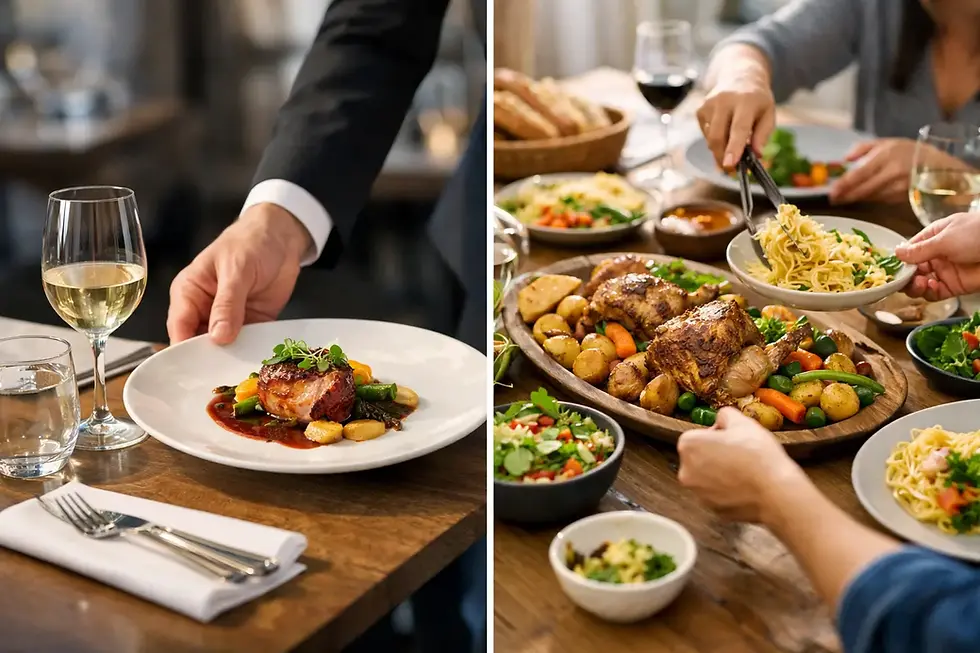
Catering may include passed hors d’oeuvres, stationary displays, a buffet, family-style service, plated courses, dessert, and late-evening bites. These are not interchangeable formats. A plated dinner creates a more formal cadence and gives hosts greater control over timing. A curated buffet offers variety and encourages a relaxed, social atmosphere, especially for multigenerational parties. Family-style dining feels warm and abundant but requires tables with adequate space and a service team prepared to manage platters gracefully.
Menu selection should also reflect the event setting. At a private home, a menu may need to account for limited kitchen access, outdoor temperatures, driveway logistics, and where service staff can stage equipment. At a venue, the questions may involve loading access, existing kitchen facilities, rental requirements, and restrictions on open flames or outside alcohol.
The beverage component
Bar service can range from an intimate wine-and-champagne offering to a full hosted bar with cocktails, premium spirits, beer, wine, nonalcoholic selections, bartenders, mixers, ice, glassware, and bar presentation. Clarity matters here. A proposal should identify what is included, what the host is supplying, and who is responsible for required permits, insurance, or venue-specific bar rules.
A complete bar does not always mean an extensive cocktail list. For many refined events, two signature cocktails, a carefully chosen sparkling wine, quality red and white wines, and thoughtful zero-proof options feel more intentional than a long menu that slows service. If the guest list includes serious cocktail enthusiasts, a broader bar may be appropriate. If the focus is a seated dinner, wine selected to complement the menu may provide a better experience and a more measured budget.
How to Match Service Style to Your Event
The most useful planning question is not, “What package should we buy?” It is, “How do we want guests to feel at each stage of the event?” That answer guides both food and beverage service.
For a wedding, cocktail hour needs enough culinary interest that guests feel welcomed while photographs and transitions take place. A combination of passed hors d’oeuvres and one visually elegant station often works well. It gives guests variety without encouraging them to form one long line. Dinner can then shift into a plated, buffet, or family-style format based on the formality of the reception and the room layout.
For an estate party, flexibility is often the priority. Guests may gather indoors and outdoors, arrive over a wider window, and move between the pool, terrace, and dining area. In that setting, multiple modest service points can be more effective than one large bar or food station. This helps prevent congestion and makes the event feel naturally hospitable rather than overly structured.
For a business event, the schedule deserves particular attention. Luncheons should begin promptly, with food that can be served efficiently and enjoyed comfortably during conversation. Receptions benefit from a bar that opens at arrival, appetizers that circulate consistently, and a clear plan for any remarks or presentations. The most polished corporate events protect the agenda without making guests feel rushed.
Guest Count Is Only the Starting Point
Guest count determines staffing, rentals, food quantity, and beverage volume, but it does not tell the whole story. A group of 50 seated guests requires a different service plan than 50 guests arriving in waves for an open-house reception. A three-hour afternoon shower has different beverage needs than a five-hour wedding reception with dancing.
When comparing catering packages, share the full timeline, not just the headcount. Include the start and end time, whether guests will have eaten beforehand, the age range of attendees, and any moments that could affect flow, such as a ceremony, speeches, or a surprise presentation. Also identify dietary needs early. A chef-led menu can accommodate vegetarian, vegan, gluten-conscious, and other preferences with far more elegance when those needs are anticipated rather than handled at the last minute.
It is equally helpful to be candid about the atmosphere you want. A champagne-forward bridal shower, a spirited birthday celebration, and a quiet memorial reception each call for a different level of bar presence and a different culinary tone. There is no single correct formula, only a plan appropriate to the gathering.
Where Packages Often Need More Detail
The phrase “full service” can mean different things to different providers. Before approving a proposal, ask how staff will be assigned and what they will manage. Will the team set tables, pass appetizers, clear glassware, cut and serve the cake, maintain buffet presentation, and handle breakdown? Is bar glassware included, or is it being rented separately? Will the service team remain through dessert, or will the event transition to a smaller staff later in the evening?
These details are especially significant at private residences, where hosts should not be left managing trash, rentals, or kitchen cleanup once guests depart. A thoughtful plan accounts for the work that happens before guests arrive and after they leave.
Beverage policies also deserve a straightforward conversation. Some venues require licensed bartenders, proof of liability coverage, or alcohol to be purchased through an approved source. Others allow hosts to provide alcohol but still require professional bar staffing. In Palm Beach and Broward County, venue rules can vary considerably, so confirming requirements early avoids costly revisions close to the event date.
Creating a Package That Feels Personal
Personal does not have to mean complicated. A menu can reflect a family favorite, a seasonal ingredient, or a meaningful travel memory without becoming difficult to execute. The same is true at the bar. Perhaps a couple chooses a cocktail inspired by their first vacation together, or a host offers a zero-proof spritz that receives the same attention as the wine selection.
The strongest choices are those that suit the entire event. A dramatic seafood display may be perfect for a coastal cocktail reception but unnecessary for an intimate dinner where a composed first course makes more sense. Late-night sliders may delight a dancing crowd, while petit fours and coffee may be the more elegant finish to a formal anniversary celebration. Fine-dining precision is not about adding more. It is about selecting what belongs.
If you are planning an event with several moving parts, bring the venue information, estimated guest count, timeline, and any initial beverage preferences to the first catering conversation. A seasoned caterer can help turn those details into a service plan that feels natural from the first welcome toast to the final farewell. Simply Foods is available to discuss a tailored culinary and bar experience for your gathering, and can also coordinate thoughtfully with your event planner or recommend one when helpful.


Comments