
Does Catering Include Serving Staff? What to Ask

A beautifully prepared menu can lose some of its impact if no one is there to greet guests, replenish the buffet, clear glassware, or time the next course. That is why one of the first questions hosts ask is: does catering include serving staff? The answer is not always. Catering can range from a polished delivery of prepared food to a fully staffed, chef-led dining experience, and the difference should be clear before you compare proposals.
For an intimate luncheon at home, a premium drop-off arrangement may be exactly right. For a wedding reception, estate party, or corporate dinner where guests expect attentive hospitality, professional service staff are usually an essential part of the plan. The right choice depends on the menu, venue, guest count, and the experience you want your guests to have.
Does Catering Include Serving Staff? It Depends on the Service Style
There is no universal definition of “catering.” Some caterers use the term for food delivery and setup only. Others use it to describe a complete event operation, including chefs, servers, bartenders, rentals coordination, and post-event cleanup. Never assume staffing is included simply because the menu is presented as catered.
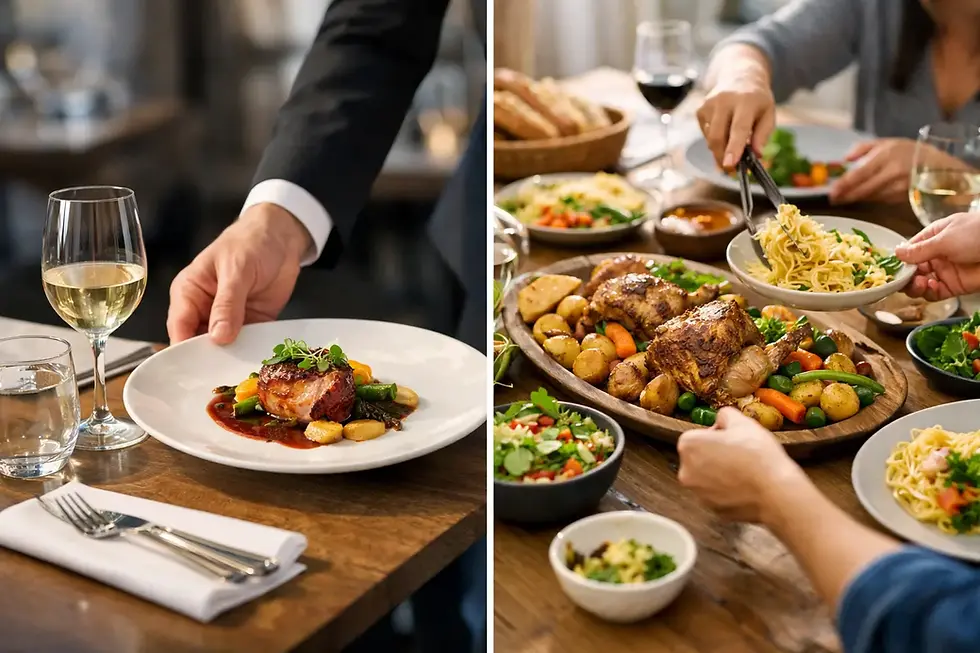
A drop-off catering order typically includes prepared food delivered in disposable or agreed-upon serviceware. Depending on the arrangement, the catering team may set the food on a table, leave simple heating instructions, and depart. This format works well for office lunches, casual family gatherings, and events where a host or venue team is comfortable managing the meal.
A staffed buffet is more involved. Servers may arrange the buffet, maintain its presentation, replenish dishes, guide guests through the line, clear dining tables, and manage leftovers according to the agreed plan. A chef may also be present when food is finished on-site or when carving, sautéing, or other live culinary elements are part of the experience.
For plated dining, serving staff are generally necessary. A multi-course meal requires coordinated timing, accurate placement of each course, dietary-aware service, wine or beverage support when applicable, clearing between courses, and a calm presence in the room. This is hospitality, not simply food placement.
What Serving Staff Actually Do at an Event
Professional event staff protect the flow of the gathering. Their work begins well before the first guest arrives and continues after the last plate is cleared. They review the floor plan, understand the menu and dietary notes, prepare service stations, polish the presentation, and coordinate with the culinary team.
During the event, staff welcome guests into the food experience without making it feel managed. At a cocktail reception, that may mean passing hors d’oeuvres at a comfortable pace, refreshing napkins and glassware, and ensuring every area of the room receives attention. At a buffet, it means keeping serving pieces clean, food at the correct temperature, and the display attractive from the first guest through the last.
Their presence also allows the host to remain a host. Instead of checking whether serving utensils have disappeared or wondering when to clear dessert plates, you can be present with family, clients, or colleagues. At a memorial reception or other sensitive occasion, discreet service is especially valuable. It provides care and structure without asking the family to manage logistics.
Staffing also covers the less visible details: bussing tables, consolidating rental items, managing trash and recycling, packing agreed-upon leftovers, and leaving the event area orderly. These responsibilities vary by proposal, which is why the scope should be written clearly.
When Is Staffed Catering Worth It?
Staffed service is most useful when food is central to the event or when the setting requires a higher level of coordination. A formal dinner at a private residence, for example, may have limited kitchen space, a long driveway, delicate flooring, and multiple courses that need to arrive at the table at the right temperature. A capable service team accounts for those realities in advance.
Guest count matters, but it is not the only consideration. A 20-person seated dinner with passed appetizers, plated entrées, wine service, and dessert can require more attention than a 50-person daytime buffet with simple self-service. The menu drives staffing needs as much as the number of guests does.
Consider staffed catering when your event includes:
Passed hors d’oeuvres, chef-attended stations, or a cocktail hour
Plated or multi-course dining
A buffet that needs active replenishment and table clearing
Bar service, specialty beverages, or wine poured with dinner
A venue with limited kitchen access, strict load-in rules, or complex rentals
An occasion where you do not want friends, family, or colleagues working during the event
For a straightforward lunch meeting, a well-designed drop-off buffet can be an elegant and efficient choice. It should not be treated as a lesser option. The key is matching the service level to the occasion rather than paying for formality that the event does not need.
Questions to Ask Before You Sign a Catering Proposal
The most useful catering proposal does more than list menu items and a per-person price. It explains how the food will arrive, who will manage it, and what the service team will handle. Ask whether the quoted price includes chefs, servers, bartenders, captains, setup staff, and cleanup staff, or whether those are separate line items.
Also ask how many staff members are recommended and why. A thoughtful caterer should be able to explain the staffing plan in relation to your event format. The answer may change if you add passed appetizers, move from buffet to plated service, extend the event timeline, or add a bar.
Clarify the hours included for each staff member. Event staffing often begins before guest arrival for setup and concludes after the event for breakdown. If the celebration runs later than planned, ask how overtime is handled. This avoids an uncomfortable surprise when a lively dinner extends into the evening.
It is equally wise to ask who provides service equipment. Does the proposal include chafing dishes, buffet risers, trays, water service, coffee equipment, china, flatware, glassware, linens, or bar tools? Some items may be supplied by the venue or rental partner. A clear division of responsibility prevents a beautiful menu from arriving without the pieces needed to serve it properly.
Finally, discuss dietary needs before finalizing staffing and menu choices. Guests with allergies or specific dietary requirements deserve more than a label beside a dish. With seated service, staff should understand which guest receives which prepared plate. With buffets, the team should use thoughtful placement and serving utensils to reduce confusion and support a comfortable experience for everyone.
Staffing Is Part of the Guest Experience
At refined events, the best service is noticeable for its ease rather than its formality. Guests find a fresh drink, a clean place setting, and food that is served at its best. They are not looking for the person responsible for making those things happen.
That level of ease comes from planning. Chef Deanna Corso’s nearly two decades at The Boca Raton inform the kind of detail that matters outside a resort dining room: proper pacing, clear kitchen communication, polished presentation, and teams that understand how to work respectfully in private homes and distinctive venues. Fine-dining precision is as much about operations as it is about cuisine.
For hosts in Palm Beach and Broward Counties, this is particularly relevant at waterfront residences, country clubs, and estate settings, where access, weather, parking, power, and kitchen capacity can shape the event. Staffing may need to account for a long service path, an outdoor reception area, or a kitchen that requires a temporary setup. These are not reasons to overcomplicate an event. They are reasons to plan the right team from the start.
A Clear Scope Creates a More Relaxed Event
The goal is not to add staff automatically. It is to build a service plan that supports your menu, setting, and guests. A catered lunch delivered with care can feel polished. A wedding dinner with attentive servers can feel effortless. Both are successful when everyone understands what is included.
When reviewing options, focus on the complete experience rather than the menu price alone. Ask what happens from arrival through cleanup, and make sure the answer aligns with how you want to spend your own event. If you are planning a gathering that calls for chef-led cuisine and thoughtful hospitality, Simply Foods can help you determine the appropriate service level and create a plan that lets you enjoy the occasion alongside your guests.


Comments