
How to Order Drop Off Catering for Any Event

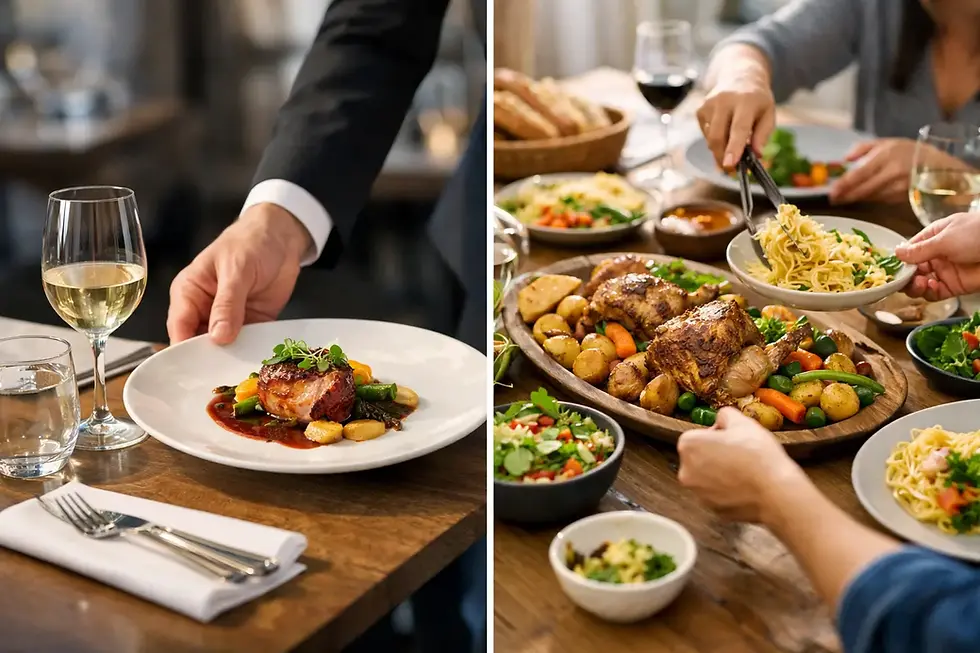
A well-planned drop-off meal can feel as considered as a restaurant gathering, provided the menu, delivery window, and serving plan are decided before the food arrives. Knowing how to order drop off catering is less about choosing individual dishes and more about creating a complete experience: food that travels well, portions that suit the occasion, and a presentation that allows guests to serve themselves comfortably.
For a corporate luncheon, a shower at home, a memorial reception, or an intimate estate gathering, premium drop-off catering offers meaningful convenience without asking the host to compromise on quality. The key is being clear about what the caterer is providing and what the setting requires of you.
How to Order Drop Off Catering With Confidence
Begin with the event itself, not the menu. A weekday office lunch has different needs from a waterfront cocktail reception or a family gathering after a service. Consider when guests will arrive, whether they will be seated, how long the food must remain available, and whether the meal is the centerpiece of the event or one part of a larger program.
Next, establish a realistic guest count. It is wise to provide both the expected attendance and a possible range, particularly for open-house-style events where arrivals can vary. A caterer can recommend quantities more accurately when they understand whether 30 guests are all expected to eat a full lunch at noon or whether 30 guests will come and go over three hours.
Share the practical details early: the delivery address, access instructions, stairs or elevators, parking considerations, the preferred delivery time, and the person who will receive the order. At private homes and venues, counter space and kitchen access can shape the setup just as much as the menu. A thoughtful caterer will ask these questions because they affect the condition and presentation of the meal on arrival.
Choose a Menu Designed for Delivery
Not every beautiful dish is a strong candidate for drop-off service. The best menus retain their texture, temperature, and visual appeal during transport and through the serving window. Braised proteins, composed salads, seasonal roasted vegetables, grain dishes, and carefully packaged sauces often travel exceptionally well. Delicate fried items, dishes that require last-minute plating, and foods that decline quickly once uncovered may be better suited to full-service catering.
This is where chef-led guidance matters. Chef Deanna Corso’s nearly two decades of experience at The Boca Raton inform a practical principle used in resort kitchens and catered events alike: a menu should be designed for the conditions in which it will be enjoyed. A dish is not successful simply because it tastes excellent in the kitchen. It must arrive at the table in its intended condition.
Aim for a balanced selection rather than an overly long menu. For a luncheon, that may mean a substantial entrée, a vegetarian alternative, two composed sides, a salad, and a dessert. For a more social gathering, a collection of refined passed-style bites is not possible with drop-off alone, but elegant small-format platters and grazing selections can encourage a relaxed, conversational flow.
When choosing menu items, ask how they will be packaged and served. Will hot foods arrive in disposable chafing-ready pans or oven-safe containers? Are salads dressed or packed separately? Are sauces included? Is bread delivered sliced and ready to place on the table? These details prevent last-minute uncertainty and help protect the integrity of the food.
Plan Portions Around the Way Guests Will Eat
Portion planning depends on timing, guest expectations, and the rest of the menu. A midday business lunch generally calls for a more complete portion than a late-afternoon reception with cocktails and several food stations. Children, a group of avid golfers after an outing, or guests attending an evening celebration may also have noticeably different appetites.
Do not assume that every dietary preference requires a full additional meal. Instead, provide the caterer with a clear count of vegetarian, vegan, gluten-sensitive, dairy-free, or allergy-related needs. This allows the kitchen to create intentional options rather than making vague accommodations that leave certain guests with little to enjoy.
Allergies require particular care. Explain the nature and severity of the concern, and ask how the food is prepared and labeled. While a professional caterer can take appropriate precautions, hosts should be aware that a private event environment may introduce cross-contact after delivery through shared serving utensils or buffet traffic. Clear labels and separate utensils are simple, meaningful safeguards.
If you are ordering for a group with varied tastes, it is usually better to offer a few thoughtfully chosen choices than to build a menu around every possible preference. A polished menu feels generous when each item has a purpose and guests can identify a satisfying plate quickly.
Set the Delivery Time and Serving Window
Delivery time is one of the most consequential decisions in a drop-off order. Food should arrive with enough time for the host, venue manager, or planner to place it attractively, review labels, and resolve any small setup questions. At the same time, delivery should not be so early that hot items lose quality before guests begin eating.
For many events, a delivery 30 to 45 minutes before service works well. The right timing depends on the menu, however. A cold luncheon spread can often arrive earlier, while hot buffet service benefits from closer coordination. If guests are arriving at 12:00 p.m. but lunch will not begin until 12:45 p.m., tell the caterer both times.
Ask how long each item can remain at its proper temperature and what equipment is required. Hot food should be kept hot, and cold food should stay chilled. A caterer may provide reheating or holding instructions, but the host or venue must have the necessary oven, refrigeration, serving surface, or chafing equipment available. Convenience should never mean guessing about food safety.
Prepare the Space Before the Food Arrives
Drop-off catering is efficient, but it does not eliminate the need for a service plan. Clear the serving area before delivery and decide where guests will find plates, napkins, flatware, beverages, condiments, and trash or bus tubs. If the meal is being served outdoors in Palm Beach or Broward County, account for heat, wind, and direct sun. A shaded, stable buffet location protects both the food and the presentation.
For an elevated look, use clean platters, risers, linen, and serving pieces that fit the setting. Even simple upgrades, such as placing menu cards beside each dish and arranging beverages away from the food line, make self-service feel more organized. If rentals are needed, address them well before the event date. A catered meal can arrive perfectly prepared and still feel disjointed if there are not enough plates, tongs, or tables.
Before confirming your order, make sure these four details are settled:
The final guest count and any dietary accommodations
The exact delivery, setup, and meal-service times
The available equipment and serving space at the venue
Who is responsible for receiving, arranging, and maintaining the food
These decisions are especially valuable when the host wants to spend time with guests rather than manage logistics from the kitchen.
Know When Drop-Off Is the Right Service Style
Drop-off catering is an excellent fit when the event has a straightforward buffet or self-service format, the venue has appropriate space, and a host, planner, or staff member can manage the food after delivery. It is also an elegant choice for office lunches, daytime celebrations, family gatherings, and smaller events where full on-site staffing is not necessary.
It may not be the best fit when the menu requires live finishing, the guest experience calls for passed hors d’oeuvres or plated courses, or the venue has complex access and setup demands. Large weddings, formal estate dinners, and events with a detailed timeline often benefit from full-service staff who can manage service, replenishment, clearing, and guest flow. There is no lesser choice here - only the service format that best matches the event.
A skilled caterer will help you make that distinction honestly. At Simply Foods, the goal is to shape a service plan around the occasion rather than force every event into the same format.
When you are ready to order, bring the guest count, event schedule, venue details, dietary needs, and a sense of the atmosphere you want to create. A brief conversation with an experienced catering team can turn those details into a meal that arrives composed, generous, and ready to welcome your guests. Contact Simply Foods to discuss a refined drop-off menu or determine whether your occasion would be better served by a more hands-on catering format.


Comments