
How to Cater a Waterfront Party With Ease

A waterfront party asks more of a caterer than a beautiful menu. Salt air can soften crisp garnishes, a sudden shower can change the service plan, and a long walk from the kitchen to the dock can affect every course. Knowing how to cater a waterfront party means planning for those realities early, so guests experience only the ease of a well-hosted afternoon or evening by the water.
For private homes, estates, yacht-adjacent venues, and coastal clubs, the most successful events balance the setting's natural drama with fine-dining precision. The goal is not to compete with the view. It is to serve food, drinks, and hospitality that feel perfectly at home beside it.
How to Cater a Waterfront Party Without Compromising Quality
Begin with a site visit whenever possible. A waterfront address can look effortless in photographs while presenting real operational questions: Is there a covered prep area? Where can service staff stage glassware and tray-passed appetizers? Is the path from parking to the event space level and well lit? Does the property have adequate power, water access, refrigeration, and a workable kitchen?
These details shape the menu and service style. A chef-led team can prepare many elements on-site, but the available space determines what should be finished to order, held hot, or passed immediately. At an estate event, for example, a plated dinner may be ideal when there is a suitable back-of-house area and a clear service route. At a dockside cocktail gathering with limited infrastructure, an elegant reception menu and curated stations may offer more flexibility while still feeling refined.
Chef Deanna Corso's nearly two decades at The Boca Raton inform this kind of planning. Resort-level hospitality depends on anticipating movement, timing, and guest comfort before the first tray leaves the kitchen. Waterfront catering applies the same discipline, with added attention to weather and the physical conditions of the property.
Start With the Guest Experience
Before selecting dishes, decide how guests should move through the event. Will they arrive to champagne and passed hors d'oeuvres on the lawn? Gather at a raw bar near the water? Be seated for a sunset dinner? A clear event flow prevents the common waterfront problem of guests drifting too far from food and beverage service, then returning all at once.
For a cocktail-forward party, position bars and food stations so guests can enjoy the view without creating a bottleneck around one focal point. For dinner, consider the direction of the setting sun, prevailing breeze, and outdoor lighting. A table that photographs beautifully at 4:00 p.m. may be uncomfortable by 6:00 p.m. if it has no shade or wind protection.
Build a Menu That Holds Up Outdoors
Waterfront menus should feel fresh and generous, but they also need to travel and hold gracefully. The best choices are not necessarily the most delicate. A composed seafood presentation may be lovely, yet it requires careful temperature control and attentive replenishment. A warm seafood course can be equally luxurious when finished and served promptly.
Seasonality should guide the menu. Bright citrus, local produce, thoughtfully sourced seafood, chilled soups, and grilled selections suit South Florida's climate beautifully. The key is choosing preparations that remain appealing in warm conditions. Crisp salads should be dressed close to service. Fried items need a short path from the kitchen to the guest. Butter-based sauces and fragile chocolate work require extra care when temperatures rise.
A thoughtful menu often includes a mix of temperatures and textures. Guests appreciate a cool welcome drink and chilled bites on a warm arrival, followed by substantial passed selections or a station that gives the evening more depth. If dinner is planned, a composed first course, a well-executed entrée, and a dessert designed for the setting create a more relaxed pace than an overextended buffet.
Choose Service Style for the Property, Not a Trend
There is no single correct format for waterfront entertaining. The right choice depends on guest count, kitchen access, formality, and how much of the event takes place outdoors.
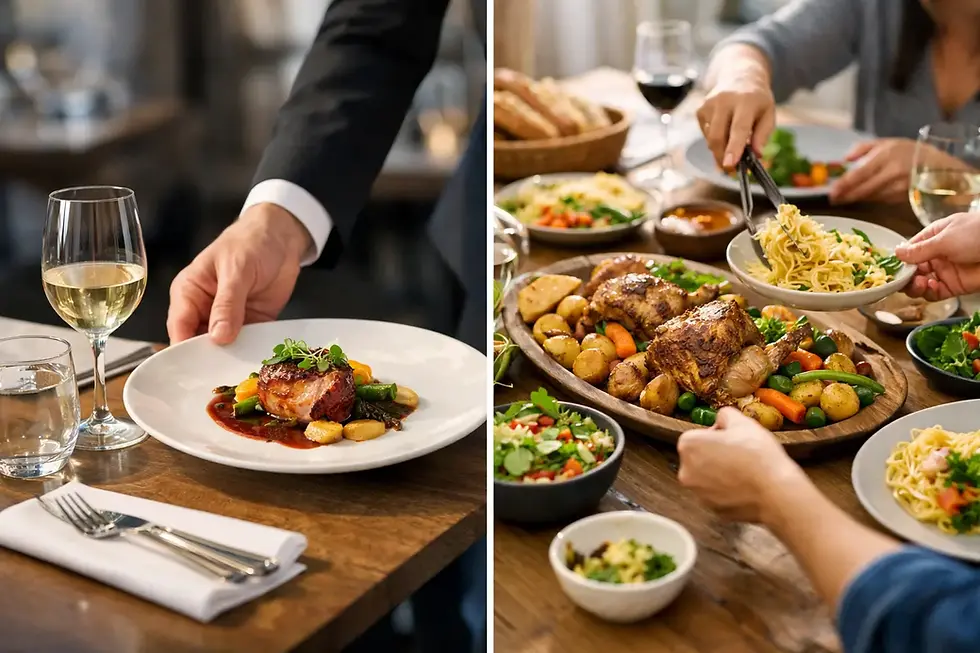
A plated meal offers an especially polished experience for intimate celebrations, milestone dinners, and formal estate gatherings. It also allows the culinary team to control timing and presentation course by course. However, it requires appropriate space for final plating, coordinated staffing, and stable tables protected from excessive wind.
Chef-attended stations work well for larger social events because they invite guests to circulate while keeping the food central to the occasion. Curated buffets can feel equally elevated when they are designed with intention, replenished in small batches, and styled to complement the setting rather than overwhelm it. For smaller gatherings, premium drop-off catering may be suitable if the host has a dependable setup plan and does not need full-service staffing.
Plan for Wind, Heat, and Rain Before You Need To
Weather is not a footnote for a waterfront event. It is part of the production plan. A tent, covered terrace, or indoor transition space should be considered from the beginning, even for a forecast that looks favorable. The best backup plan is one that preserves the mood of the event rather than feeling like a last-minute relocation.
Wind deserves particular attention. Lightweight napkins, place cards, florals, buffet signage, and open-flame décor can all become problematic near the water. Glassware should be selected thoughtfully, and service equipment should be stable and discreet. For food, lids, guards, and smart station placement protect quality without making the presentation feel utilitarian.
Heat management is equally essential. Cold foods need dependable refrigeration until service, and hot foods should be held at proper temperatures without sitting too long. Avoid placing a raw bar, cheese display, or dessert station in direct afternoon sun. A skilled catering team will coordinate these considerations with rentals, planners, and venue staff rather than asking the host to solve them alone.
Do Not Underestimate Logistics and Staffing
Luxury service is often most visible in what guests never notice. That includes a clear load-in route, sufficient ice, power planning, trash removal, dishwashing access, and staff who can move through the event quietly and confidently.
Ask early about parking restrictions, gate access, dock regulations, elevator dimensions, and neighborhood noise rules. At waterfront homes, caterers may also need to account for narrow side paths, soft lawn areas, or stairs between the kitchen and entertaining space. These factors affect staffing levels and service timing. A party of 40 spread across a large property can require a different approach than 40 guests gathered on one terrace.
Bar service deserves the same attention. A full bar may require permits, specialty ice, glassware, refrigeration, and experienced bartenders, depending on the property and event plan. Even a wine-and-champagne reception benefits from a dedicated beverage station and an intentional replenishment schedule. When food and bar teams work from one shared timeline, the experience feels calm rather than choreographed.
Coordinate the Details That Shape the Finish
Waterfront events tend to have a relaxed visual language, but relaxed should not mean unplanned. Rentals, linens, tabletop pieces, florals, lighting, and menu presentation should be selected as one composition. Natural materials and soft coastal colors can be beautiful, though the specific design should reflect the home, occasion, and host's preferences rather than a default theme.
If the event includes a wedding celebration, significant milestone, or a complex guest list, an experienced event planner can be especially helpful. A planner keeps rental deliveries, floral installation, entertainment, transportation, and catering aligned so the host can remain present with guests. Simply Foods is also happy to work alongside an established planner or recommend one when appropriate.
Most importantly, give the culinary and hospitality teams the information they need: the real guest count, dietary restrictions, arrival time, seating plan, preferred pacing, children attending, and any guests who need additional accessibility support. Those details allow a catering team to provide thoughtful service without drawing attention to the mechanics behind it.
A waterfront party should leave guests remembering the sunset, the warmth of the gathering, and the food served at exactly the right moment. If you are planning a celebration in Palm Beach or Broward County and would like guidance on menu design, staffing, and site logistics, contact Simply Foods to begin a considered conversation about your event.


Comments