
Waterfront Event Catering Services That Work

A beautiful waterfront setting can make an event feel effortless. Behind the scenes, it rarely is. Waterfront event catering services require a different level of planning than a ballroom dinner or an indoor luncheon, because the very features that make the location special - open air, views, docks, lawns, terraces, and shifting weather - also affect food quality, service timing, equipment access, and guest comfort.
For hosts planning a wedding, estate party, corporate reception, or private dinner by the water, the right caterer does more than create an attractive menu. They think through power, kitchen access, wind, humidity, staging, rental layouts, and how the event should actually move from arrival to cocktails to dinner. That is where a chef-led team makes a meaningful difference.
What makes waterfront event catering services different
At a waterfront property, the menu cannot be planned in isolation from the setting. A raw bar may sound ideal for a cocktail hour, but it needs proper refrigeration, shaded placement, and a service plan that keeps the presentation pristine. Passed hors d'oeuvres may be perfect on a terrace, but the route between the prep area and guests matters if servers are crossing grass, stairs, or a long dock.
Weather is another factor, even on a clear day. Heat changes how long certain dishes can be held. Wind affects candles, florals, buffet setups, and lighter presentation pieces. Humidity can soften crisp textures faster than many hosts expect. None of this means waterfront events are difficult by default. It means the catering plan should be built for the environment rather than copied from an indoor event.
Chef Deanna Corso's nearly two decades at The Boca Raton shape this approach in a practical way. Resort-level catering teaches you quickly that presentation and hospitality are only part of the job. The other part is execution under variable conditions, where timing, staffing, and culinary judgment protect the guest experience.
Start with the site, not just the menu
One of the most useful early conversations is not about whether you want filet or sea bass. It is about the property itself. Is there an onsite kitchen, or will all finishing need to happen from mobile equipment? How far is the load-in from the event space? Are there elevators, narrow walkways, sand, docks, or landscaping that affect setup? If the event is at a private home or estate, is there enough room for prep, rentals, and discreet back-of-house service?
These details influence what will feel easy and elegant on the day of the event. They also affect labor, equipment, and the format of service. A plated dinner may be ideal for one property and unnecessarily complex for another. A beautifully curated buffet can sometimes offer the better guest experience if the setting calls for flexibility and movement.
If you are working with a planner, this is typically addressed early. If not, an experienced caterer can help identify the questions before they become problems. For larger waterfront events, a site visit is often where the strongest decisions get made.
Why service style matters more outdoors
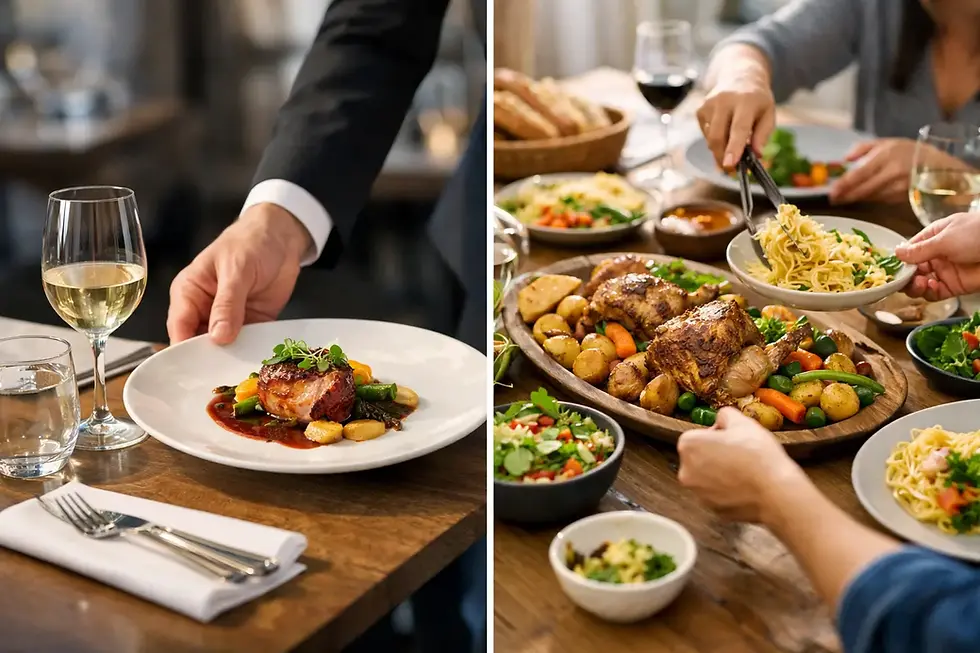
The same menu can feel completely different depending on how it is served. Cocktail-style receptions tend to work well for waterfront settings where guests naturally want to mingle and enjoy the view. Plated dinners create a more formal rhythm and are often ideal for weddings, milestone celebrations, and corporate evenings where structure matters. Stations can be excellent when they are designed thoughtfully and not allowed to create congestion.
What matters most is guest flow. Waterfront properties often have one standout visual area, and everyone wants to gather there. The catering plan should support that, not fight it. Bar placement, hors d'oeuvre service, dinner seating, and dessert presentation all need to account for where people will naturally move.
Menu choices for waterfront events
The best waterfront menus feel fresh, polished, and appropriate to the environment without becoming predictable. Lighter flavors, vibrant seasonal produce, composed seafood dishes, refined grilled preparations, and elegant passed bites often suit the setting beautifully. That said, the menu should still reflect the host and the occasion. A formal black-tie wedding and a stylish waterfront birthday dinner should not read the same on the plate.
Temperature stability is part of menu design. Some foods simply hold better than others in warm or humid conditions. Crisp-skinned fish, delicate fried items, and intricately layered garnishes may need tighter timing and more controlled service. A chef-led catering team will usually guide clients toward dishes that deliver both flavor and reliability rather than selecting items based only on how they sound on paper.
This is also where fresh-on-site preparation matters. Finishing proteins properly, dressing salads at the right moment, and sending out courses with restaurant-level timing can preserve quality in a way that pre-plated or heavily prepped service often cannot.
Buffets, stations, or plated service?
There is no universal answer. It depends on the guest count, the formality of the event, the available space, and how much structure you want during the evening.
Plated dinners offer the most refined pacing and presentation. They work especially well when the goal is a polished seated experience and the service team has the access and staging to execute each course well. Curated buffets can be excellent for estate gatherings, showers, and social celebrations where guests appreciate a little more freedom. Stations often suit cocktail-style events, but they need enough room and thoughtful placement to avoid lines.
For waterfront properties, the smartest choice is usually the one that feels graceful in the space, not the one that sounds most elaborate.
Logistics guests never see, but always feel
The mark of strong waterfront event catering services is that guests do not notice the operational complexity. They notice that cocktails arrive promptly, dinner starts on time, glassware stays polished, and the event never feels strained.
That outcome depends on many quiet decisions. Power sources may need to be mapped for cooking or warming equipment. Tents or covered prep areas may be necessary even if the event itself is outdoors. Ice, refrigeration, handwashing stations, lighting, and staff pathways all matter. If the event includes a bar, licensing, placement, and backup plans should be discussed early as well.
Noise is another detail hosts sometimes overlook. Wind across the water can interfere with speeches and music, which can in turn affect dinner timing. If a sunset ceremony runs later than expected, the kitchen and service team need to adjust without letting food quality slip. Good catering is partly culinary and partly choreography.
Working with a waterfront home or private estate
Private residences often offer the most memorable settings, but they also require the most customization. Unlike a venue built for events, a home may need supplemental kitchen equipment, rentals, service ware, and a temporary back-of-house plan. Parking, guest arrival, restroom access, and staff setup all deserve attention.
This does not mean hosting at home is less elegant. Often it is more personal and more impressive. It simply requires a catering partner who understands how to bring fine-dining standards into a residential setting without disrupting the property or the host.
In Palm Beach and throughout coastal South Florida, waterfront homes can vary dramatically in layout and infrastructure. What looks simple in photos may need a very specific operational plan once the event is mapped out.
When to involve a planner
For a smaller dinner or polished drop-off occasion, a full planner may not be necessary. For weddings, larger estate events, or waterfront celebrations with multiple vendors, rentals, entertainment, and custom design elements, a planner often adds real value. They help coordinate timelines, site logistics, and vendor communication so the catering team can stay focused on the food and guest experience.
If you do not already have one, a seasoned caterer can often recommend an event planner suited to the scale and style of your gathering. The goal is not to add complexity. It is to create clarity.
Questions worth asking before you book
When reviewing waterfront event catering services, ask how the team handles onsite finishing, weather contingencies, staffing levels, rentals, and service flow. Ask whether they have evaluated the property itself or will do so before finalizing the plan. Ask what menu items they believe are especially well suited to your setting and which ones they would advise against.
Those answers will tell you a great deal. A thoughtful caterer should be able to explain the reasoning behind their recommendations clearly and calmly. You want expertise, not pressure.
The best waterfront events feel natural, elegant, and easy for the host. That ease is usually the result of disciplined planning, a menu designed for the environment, and a hospitality team that understands how to execute beautifully outside a traditional dining room. If you are planning a waterfront gathering and want experienced guidance, Simply Foods is always happy to talk through the details and help you shape an event that feels as polished as the setting itself.


Comments