
How to Plan Luxury Event Catering with Precision

A beautiful waterfront home, a private estate, or an elegant venue can set the scene, but guests remember how the event felt. Was the first glass offered at the right moment? Did dinner arrive beautifully composed and properly warm? Did the room move naturally from cocktails to conversation to dessert? Learning how to plan luxury event catering means designing those details with the same care as the menu itself.
Luxury catering is not simply a matter of selecting premium ingredients. It is the coordination of cuisine, service, timing, presentation, staffing, rentals, and venue logistics into an experience that feels gracious rather than orchestrated. The strongest plans begin early, with clear priorities and honest decisions about what the event needs.
Begin with the Guest Experience
Before discussing passed hors d'oeuvres or plated entrées, define the occasion in practical terms. A formal wedding dinner for 150 guests calls for a different culinary rhythm than a 30-person anniversary dinner at home. A corporate luncheon may need an efficient service window and easy conversation, while a milestone birthday may benefit from a more leisurely cocktail hour and interactive food moments.
Consider the guest list first. Note the expected attendance, age range, travel considerations, dietary needs, and the relationships in the room. If guests will be arriving from a ceremony, a boat transfer, or a long meeting, they may need a more substantial welcome offering than a group gathering locally for a cocktail reception.
Then establish the emotional tone. Refined can mean quietly formal, relaxed and coastal, celebratory and theatrical, or warm and intimate. The menu, service style, music, lighting, and table design should support the same feeling. When those choices pull in different directions, an event can look expensive while still feeling disjointed.
Set the Budget Around Priorities, Not Just Headcount
Guest count is the starting point for catering cost, but it is not the whole picture. A luxury event budget must also account for the level of service, culinary complexity, rentals, bar requirements, kitchen setup, staffing, transportation, and the realities of the venue.
A plated, multi-course dinner generally requires more service staff, china, glassware, and carefully managed timing than a chef-attended buffet. That additional investment can be worthwhile when the goal is a formal, seated experience. On the other hand, a thoughtfully curated buffet may be the better choice for a social evening where guests value movement, variety, and a less structured pace.
Be clear about what matters most. If exceptional wine and a polished plated dinner are nonnegotiable, simplify elsewhere rather than stretching every category thin. If the event is centered on a dramatic cocktail hour, invest in a generous sequence of passed bites, a striking display, and service that keeps glasses refreshed without interrupting conversation.
A detailed proposal should clarify what is included and what remains to be arranged. This is particularly helpful for private-home events, where the catering team may need to bring in cooking equipment, service ware, rentals, portable refrigeration, or a complete temporary kitchen.
How to Plan Luxury Event Catering Around the Venue
Venue conditions shape the menu more than many hosts expect. A ballroom with a professional kitchen offers one set of possibilities. A waterfront residence with a narrow service entrance, limited power, and an outdoor dining area has another. Neither is a problem when assessed early, but both require a plan.
Schedule a site visit before finalizing the service format. Your caterer should understand where food will be prepared, how staff will enter, where rentals can be staged, and how the team will move between the kitchen and guests. For estate gatherings, parking, vendor load-in routes, elevator access, and neighborhood restrictions may also affect the timeline.
Outdoor events in Palm Beach and Broward Counties deserve particular attention. Heat, wind, humidity, and the possibility of rain affect food safety, floral design, linens, tenting, and guest comfort. Certain delicate passed items may not hold well outdoors, while chilled seafood presentations and composed desserts need appropriate refrigeration. A backup plan should be specific, not merely a hope that the weather cooperates.
Kitchen access also influences what can be finished on site. Fresh-on-site preparation creates a meaningful difference in the quality of many dishes, especially proteins, sauces, vegetables, and plated desserts. It requires the right equipment and sufficient space, which is why menu planning and venue logistics should happen together.
Build a Menu with Pace and Purpose
An elevated menu should reflect the host's tastes while remaining generous to the guest experience. A menu does not need to be overly elaborate to feel luxurious. Often, restraint is more memorable: pristine seafood, seasonal produce, excellent bread, a well-executed sauce, and a dessert with a clear point of view.
Start with the event schedule. For an evening celebration, guests may enjoy a reception with four to six varied passed selections, followed by a seated dinner or substantial stations. For a daytime shower or corporate gathering, a polished luncheon menu may be more appropriate, with lighter proteins, composed salads, seasonal accompaniments, and a thoughtful sweet finish.
Balance is essential. Include familiar elements alongside more distinctive flavors, and make dietary accommodations feel intentional rather than like an afterthought. A vegetarian entrée should be a complete, satisfying dish, not a plate created by removing the main protein. The same standard applies to gluten-free, dairy-free, and allergy-aware offerings.
Chef Deanna Corso's nearly two decades at The Boca Raton inform a practical principle that applies to any refined gathering: the guest should never feel the operational work behind the experience. Menu decisions must account for the number of guests, distance from the kitchen, service window, and how each course will hold and present. A dish that is exquisite for eight people may need a different approach for 180.
Choose the Service Style That Supports the Occasion
There is no universally superior service style. The right choice depends on the event's formality, venue, schedule, and guest dynamics.
Plated dining offers structure and a sense of occasion. It works beautifully for weddings, galas, and formal private dinners, particularly when the program includes speeches or toasts. It does require accurate counts, thoughtful seating, and a service team capable of delivering each course in unison.
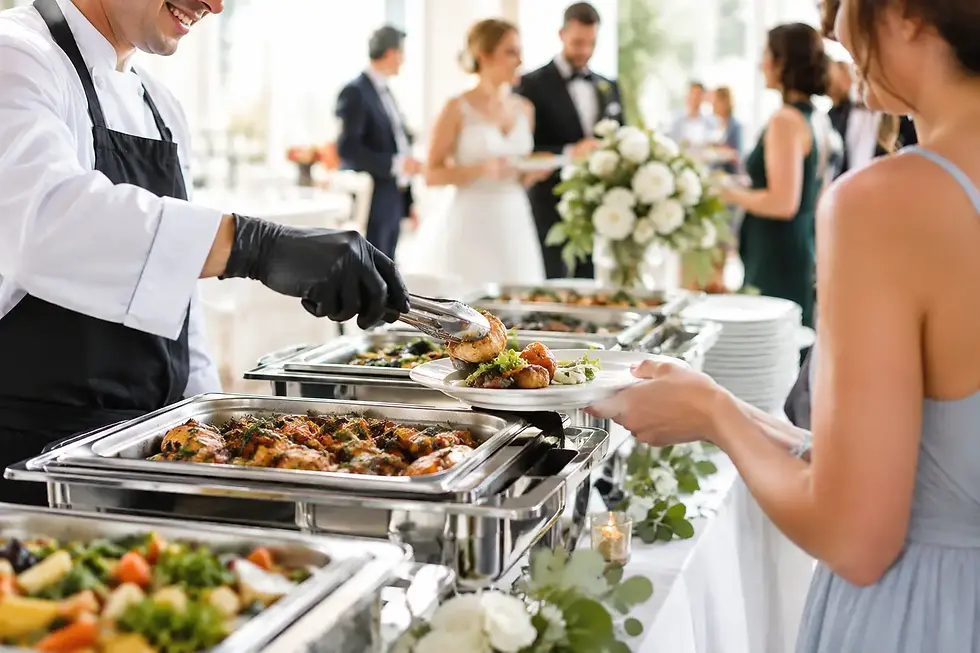
Stations and curated buffets can be equally sophisticated when designed with fine-dining precision. They encourage guests to mingle, accommodate broader preferences, and create visual interest in the room. The distinction lies in execution: food should be replenished gracefully, labels should be discreet and useful, and the layout must prevent long lines or congestion.
Family-style dining creates warmth and abundance, though it requires adequate table space and careful attention to serving pieces. For intimate dinners, a chef-led multi-course experience may provide the most personal format. Premium drop-off catering can also be an excellent option for smaller gatherings, provided the host wants a more relaxed service model and has a clear plan for setup and replenishment.
Plan Service Beyond the Food
Hospitality is visible in the small moments. Guests should know where to go, find a drink without waiting, and feel comfortable asking for what they need. Staffing should reflect the event, not only the menu. A reception with frequent passed service may require a different team structure than a seated dinner with wine service and multiple courses.
Coordinate the catering timeline with the planner, venue, florist, rental company, photographer, entertainment, and bar team. Determine when tables will be set, when candles can be lit, when the room must be cleared for a reveal, and when speeches will occur. If a planner is not already involved, Simply Foods can recommend one, particularly for events with multiple vendors or complex estate logistics.
Do not overlook the ending. Late-night coffee, petite desserts, a composed farewell bite, or carefully packaged leftovers can extend the feeling of care long after dinner. The final impression should feel as considered as the first.
Confirm the Details Before Event Week
As the event approaches, reconfirm the final guest count, dietary notes, floor plan, timeline, rental quantities, vendor contacts, load-in instructions, and weather plan. This is also the time to communicate any changed priorities. A last-minute adjustment is easier to manage when it is shared early and clearly.
The purpose of luxury catering is not to make the event feel complicated. It is to make guests feel welcomed, well fed, and thoughtfully hosted while the people giving the event can be present for it. For a celebration that calls for chef-led cuisine and composed hospitality, contact Simply Foods to begin a conversation around your menu, venue, and event vision.


Comments